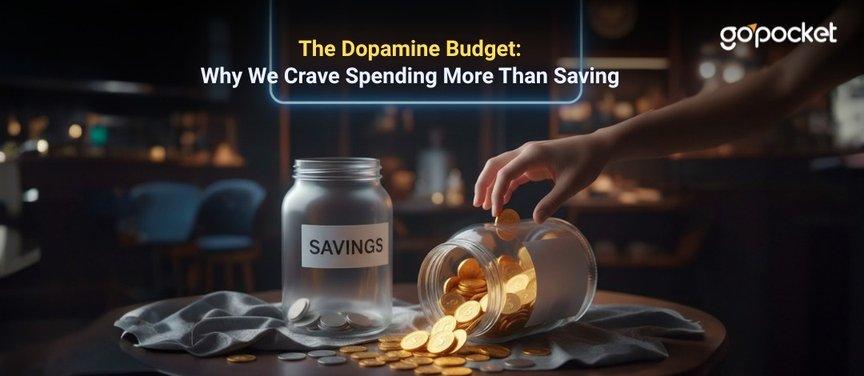
You know that little spark of joy when you hit “Add to Cart” or swipe your card for something new?
That mini rush, that micro thrill – it’s not about the item. It’s your brain lighting up like Diwali lamps.
Welcome to the Dopamine Budget – the hidden psychology behind why we spend more and struggle to save. This idea is often explored in behavioural finance in India, where emotions play a powerful role in shaping our spending and saving habits.
THE BRAIN’S FAVORITE REWARD CHEMICAL
Every time you do something that feels good – eating chocolate, getting a like on Instagram, or snagging a deal – your brain releases dopamine. It’s a neurotransmitter that tells your body, “Hey, that felt good, do it again.”
The problem?
Dopamine doesn’t care what triggers it – whether it’s a productive action or a pointless one.
That’s why people end up shopping to feel better instead of saving to be better.
So while our wallets prefer savings, our brains crave instant excitement.
That’s the silent war between logic and emotion – and dopamine often wins.
WHY SAVING FEELS BORING (EVEN THOUGH IT’S SMART)
Imagine this:
You transfer Rs 5,000 into your savings account. Nothing changes instantly. No confetti, no discount banners, no “Congrats!” pop-up.
Your brain goes, “Hmm… that’s it?”
But the same Rs 5,000 spent on a weekend outing gives you laughter, food, lights, and instant pleasure. Dopamine floods in.
See the difference?
Your brain rewards short-term joy, but wealth grows through long-term patience.
That’s why savings, SIPs, and disciplined investing often feel dull – because dopamine isn’t designed to celebrate delayed gratification.
This is where saving psychology comes in – learning to find emotional satisfaction in progress rather than in purchases.
THE DOPAMINE TRAP: HOW MARKETING USES IT AGAINST YOU
Here’s a mind-blower – every sale notification, every flashing “Limited Offer!”, every cart reminder is scientifically crafted to trigger dopamine.
Think about it.
• “Only 2 left in stock!” – triggers scarcity.
• “Sale ends in 1 hour!” – triggers urgency.
• “People are buying this right now” – triggers FOMO.
These cues activate your brain’s reward center, making you feel that clicking “Buy Now” will bring happiness – even before the product arrives.
You don’t buy because you need it; you buy because your brain is chasing a chemical win.
That’s the dopamine effect on spending — the science behind how marketing taps into your brain’s reward system to make you act instantly.
THE FLIP: TURNING DOPAMINE INTO YOUR FINANCIAL ALLY
You can’t fight dopamine – it's part of your wiring. But you can redirect it.
If spending triggers short-term happiness, you can train your brain to get the same thrill from good money habits. This is where the psychology of money habits plays a key role — helping you understand and reshape the emotional patterns that influence your financial decisions.
Here’s how:
• Track progress visually. Watching your SIP graph rise each month gives your brain visual proof of success – and dopamine loves progress.
• Celebrate small wins. Hit a savings milestone? Reward yourself with something meaningful, not mindless.
• Name your goal. “I’m saving for freedom” feels more emotional than “I’m saving Rs 10,000.” The stronger the emotion, the stronger the dopamine link.
When your brain associates joy with saving, it begins rewarding discipline instead of spending.
THE SAVINGS HIGH: HOW TO TRIGGER IT NATURALLY
Let’s be honest – saving will never feel like unboxing an iPhone. But it can feel equally rewarding when done right. If you’ve ever wondered how to enjoy saving, the secret lies in turning it into a source of pride and satisfaction rather than sacrifice.
Here are 3 cool ways to get that “feel-good” rush while building wealth:
1. Gamify your money habits.
Use an app or a simple spreadsheet to track your SIP growth. Each rise in your investment value gives your brain a “score boost.” It’s fun and financially smart.
2. Create a ‘Feel-Rich’ ritual.
Every payday, before spending, transfer a fixed amount to your investment or Demat account. Call it your “Proud Transfer.” That tiny act – repeated – builds pride and dopamine.
3. Visualize your wealth future.
Instead of staring at charts, imagine your future self thanking you – sitting relaxed, debt-free, with choices. Visualization releases dopamine now for a reward later.
You see? Dopamine isn’t the enemy. It’s just misdirected. Once you take charge, even saving starts feeling powerful. With GoPocket investing, you can make that journey easier — turning consistent saving into a rewarding, dopamine-driven habit that builds real wealth over time.
THE DOPAMINE BUDGET: SPEND IT WHERE IT GROWS YOU
Think of dopamine like money – limited, powerful, and easy to waste.
Just as you plan where your rupees go, you must decide where your dopamine goes too.
• Spend some on experiences that genuinely make you happy.
• Save most for actions that grow your future – learning, investing, improving.
• Avoid “junk dopamine” – impulsive spending that leaves you drained.
Budgeting dopamine means consciously deciding what deserves your excitement. Once you understand the link between dopamine and money, you start valuing long-term satisfaction over quick emotional wins.
THE EMOTIONAL TRUTH
At the heart of it all, money is logic – but spending is emotion.
And if you don’t understand your emotions, your finances will always feel out of control.
So the next time you feel that thrill while shopping online, pause for a second and smile – your brain’s just doing what it’s wired to do.
Then gently redirect that thrill towards your savings app, your SIP dashboard, or your GoPocket Demat portfolio.
Because dopamine doesn’t care where you find joy – it just follows your focus.
Make sure your focus is on growth, not guilt.
FINAL THOUGHT
The richest people aren’t those who avoid dopamine – they’re the ones who’ve mastered it.
They still chase that rush, but not through random purchases – through progress, knowledge, and investing.
So ask yourself today:
Are you spending your dopamine wisely?
At GoPocket, we help you turn that emotional energy into meaningful wealth – so your “feel good” moments actually grow your future.