


WHAT’S GOING ON
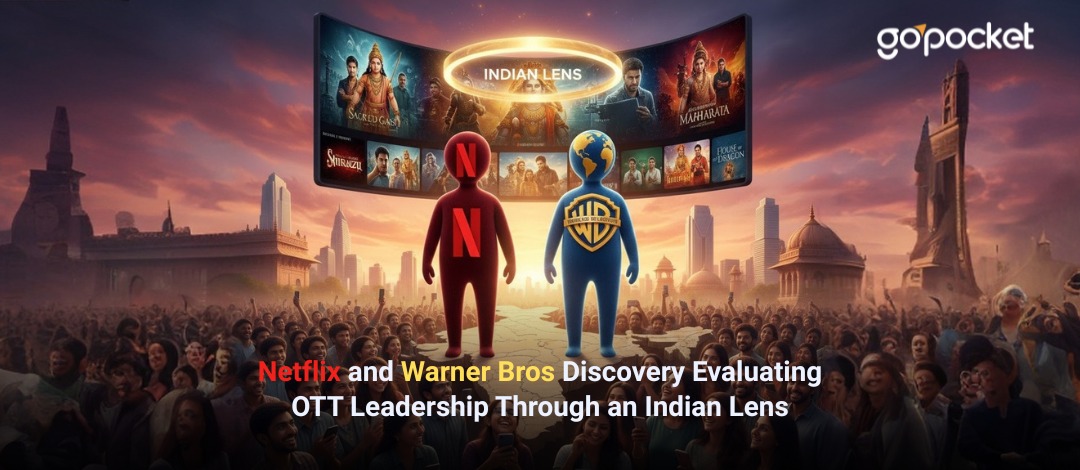
On December 5, 2025, Netflix agreed to acquire Warner Bros. Discovery’s movie and TV studio business, including the HBO brand and the Max streaming service, for approximately US$82.7 billion in enterprise value.
This transaction is not final. It still needs:
• Approval by WBD shareholders
• Regulatory approvals in the U.S. and other major markets
• A legal and contractual process expected to take 12–18 months.
• A rival effort led by Paramount Skydance offered a hostile bid valuing WBD at roughly US$108.4 billion, but WBD’s board rejected that offer and continues backing the Netflix deal.
Key uncertainties include regulatory scrutiny, shareholder votes, and potential bid improvements from rival suitors.
WHO’S WHO
NETFLIX:
Netflix is a global streaming platform where people pay a monthly fee for TV shows and movies. It also earns from cheaper plans that show ads.
• Main revenue: subscriptions
• Ad revenue: from lower-tier plans
• Subscribers: more than 300 million worldwide (latest reported).
This model creates a steady income and predictable growth.
WARNERBROS. DISCOVERY (WBD):
WBD is a traditional media company that owns big franchises like Game of Thrones, DC, and HBO shows.
• Money from movies, TV ads, licensing, and streaming
• Streaming via Max (combining HBO Max and Discovery+)
• Subscriber base: over 120 million (varied by source)
• Carries significant debt as it transitions from cable/TV to streaming.
WHAT WOULD NOT BE PART OF THE CORE DEAL:
• Cable/linear TV channels (e.g., CNN, Discovery) are expected to be spun off before closing.
COMPLICATIONS:
• A breakup fee exists if the deal fails (quoted in some reporting at ~$2.8 billion–$5.8 billion).
• Paramount Skydance launched a hostile all-cash bid, which WBD’s board rejected as inferior.
• Expected closing timeline: 12–18 months pending regulatory approvals.
WHY IT MATTERS (GLOBAL)
This deal is a major moment for the streaming wars:
• Scale: Netflix would own more studios and franchises than most rivals.
• Competition: It changes the balance vs Disney, Amazon Prime Video, Apple TV+, and others.
• Licensing: Exclusive control over HBO and Max content strengthens Netflix’s library.
• Consolidation: Fewer standalone studios mean less fragmentation of premium content.
• Pricing/Bundles: Bigger libraries can support premium pricing or bundled offers.
Creators, licensors, and consumers could see shifts in where content appears and how it’s priced.
WHY IT MATTERS (INDIA)
OTT LANDSCAPE
India’s OTT market is dominated by large platforms like Netflix and JioHotstar (Disney+ Hotstar + Jio content), the latter strong in cricket and regional content. A stronger Netflix with HBO/Max franchises deepens the divide.
CONTENT MIGRATION
HBO/Max content currently streams widely via JioHotstar deals. Those licensing periods are expected to end around 2026 (based on contract timing), after which Netflix could pull content onto its own platform, shifting viewer patterns.
MULTIPLEX IMPACT
If Netflix favours shorter theatrical windows (films streaming earlier), Indian cinemas could see significant reductions in Hollywood box office revenue, potentially impacting food & beverage sales and high-margin ticket sales. Reports suggest multiplex groups are already warning of impact.
Smaller Apps:
Smaller Indian platforms like SonyLIV, Zee5, and regional apps may face audience and content pressure, pushing them toward bundling, niche focus, or partnerships to survive.
LOCAL CONTENT OPPORTUNITIES
Netflix gains the rights to top franchises and could commission India-focused stories or spin-offs to attract local viewers using data on viewing habits.
SCENARIOS (WHAT COULD HAPPEN NEXT?)
BASE CASE:
• Deal approved with conditions.
• Netflix expands content globally; Max becomes part of Netflix.
• Streamers adjust bundles, pricing, and regional strategies.
DOWNSIDE:
• Regulators block or delay approval.
• Paramount or another bidder resurfaces with improved terms.
• Media stock volatility persists.
ALTERNATIVE PATH:
• Carve-outs of specific assets (e.g., CNN, TNT) to satisfy regulators.
• Partial mergers with licensing commitments that preserve some WBD independence.
REGULATORY AND COMPETITION WATCH
MAIN CONCERNS:
• Market concentration in premium scripted content
• Pricing power over consumers
• Parallel competition with other digital platforms
Netflix’s arguments for approval include claiming a broader content market, but regulators may focus narrowly on premium content segments.
MARKET RIPPLES
• Consolidation pressures on smaller streamers
• Growth in ad-supported revenue models
• Rising costs for live sports rights (impacting global and Indian markets)
• Shifts in content budget allocation toward franchises
INDIAN MARKET ANGLE
• Direct impact on select media and OTT-linked stocks
• Sentiment effects on digital ad valuations
• Cricket and major sports rights remain key narrative drivers
GLOSSARY
• Streaming: Online video delivery without downloads.
• Subscriber: A paying user.
• Market cap: Total value of all shares.
• Debt: Money owed by a company.
• Regulatory review: Government competition checks.
• Antitrust: Rules against market dominance.
• Ad tier: Cheaper, ad-supported plan.
• ARPU: Average revenue per user.
• Windowing: Timing of releases (theatre → home).
FINAL TAKEAWAY
The Netflix–Warner Bros. Discovery deal is not just a Hollywood headline — it fundamentally reshapes India’s OTT future.
• India moves toward a Netflix vs. JioHotstar era
• Premium global content becomes centralised
• Cinemas face structural disruption
• Smaller OTT platforms must reinvent or consolidate
• Indian storytelling gets access to global-grade IP and budgets
For investors, creators, and consumers alike, this deal marks the beginning of a new streaming order — one where content ownership, not just subscriber numbers, defines power.
Disclaimer: This content is for informational purposes only and should not be considered investment advice. Market dynamics and licensing timelines may change.
Disclaimer
What's Trending
“Silver: The Hidden Gem of Investment You Can’t Ignore!”
September 26, 2025
Recent Blog
.jpeg)
.jpeg)


Blog
Recent Blogs

thumbnail%20image.jpeg)
.jpeg)

Open your GoPocket Account within 5 minutes.
Have any queries?
Get support

Investing and trading is made simple, affordable and accessible for every Indian.



© Made with ❤️ in Coimbatore, India | Copyright © 2023 onwards, GoPocket.